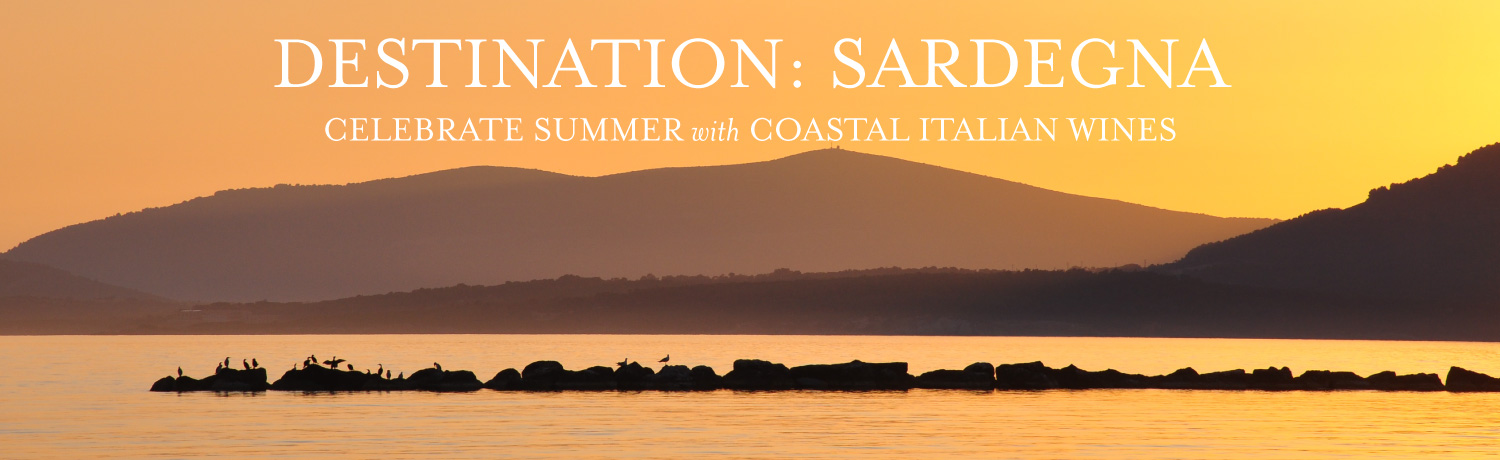
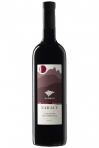
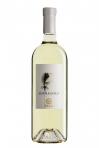
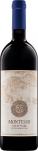
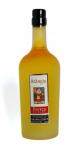
An ancient island 150 miles off the western coast of Italy, Sardegna boasts a rich cultural legacy spelled out in Roman ruins, golden fortresses, and craggy olive trees. Spanning about 9,300 square miles, it is the second largest island in the Mediterranean Sea.
Sardegna’s combination of hills and plains, coastal regions, and inland areas offers useful diversity of topography and meso climates. Many Mediterranean civilizations have touched the shores of Sardegna throughout history, leaving behind their gastronomic traditions: Latin, Arabic, Spanish, and Catalan influences are reflected in the island's preparation of meats, cheeses, and of course, wine!
Wines of Sardegna are most often made from grape varieties of French and Spanish origin, and are very different from wines found on the mainland of Italy. The available soils and bedrocks vary from granite, limestone and sandstone to mineral-rich clays and free-draining sands and gravels.